
Falkon Focus: Major events like Prime Day and the FIFA World Cup do something predictable: they send consumer traffic up, ad spend up, and unauthorized seller activity up at exactly the same time. When a brand increases its advertising investment to capitalize on that traffic, every dollar it spends can drive buyers toward listings it doesn’t control. The brands that protect their ad spend during high-traffic events are the ones that started cleaning up their seller listings weeks before the event began.
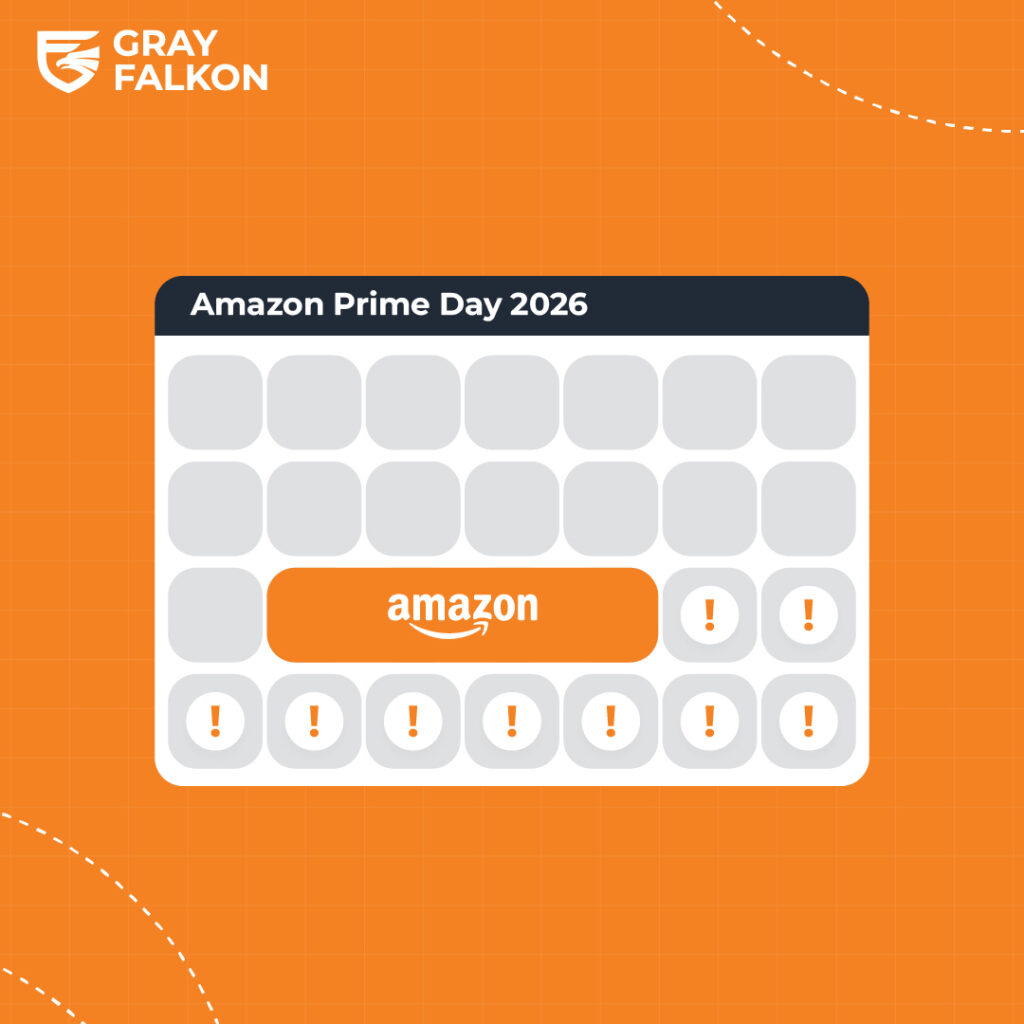
This summer is shaping up to be one of the highest-traffic eCommerce periods in recent memory. The 2026 FIFA World Cup runs from June 11 through July 19 across the United States, Canada, and Mexico, bringing an estimated 6 billion viewers and a surge in demand for electronics, food and beverage, apparel and footwear, home goods, and licensed merchandise. Overlapping almost exactly with the opening weeks of the tournament, Amazon Prime Day is expected to move to late June, compressing both events into a single high-stakes window.
For brands selling on Amazon, the combination represents a significant opportunity. It also represents a significant risk, one that many brands overlook until it’s too late to address it.
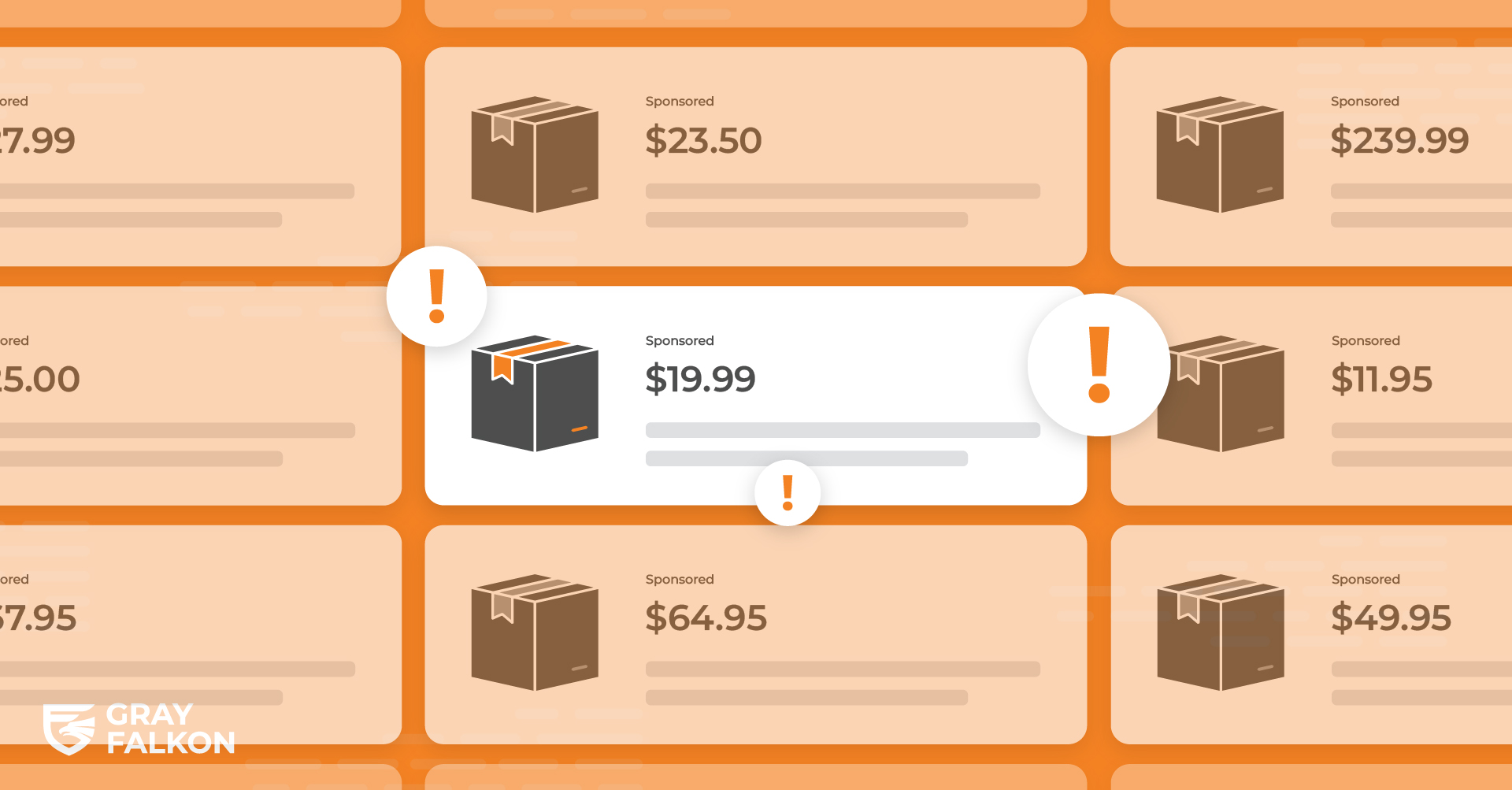
The risk is not just that consumers will find someone else’s product. It’s that a brand’s own advertising dollars will send consumers directly to unauthorized sellers, gray market actors, and arbitrageurs who are waiting for peak-traffic events to move inventory they were never supposed to be selling. If your listings aren’t clean before the event starts, your ad spend will fund that problem rather than solve it.
Why Are Major Events Peak Season for Unauthorized Sellers?
Unauthorized sellers don’t operate randomly. They follow demand. High-traffic events are predictable, well-publicized in advance, and create exactly the conditions that make unauthorized selling profitable: more shoppers, less price scrutiny, faster purchasing decisions, and brands spending heavily to drive traffic to their listings.
The mechanics of how unauthorized sellers prepare for major events are straightforward:
They Stockpile Inventory in Advance
Retail arbitrageurs purchase discounted branded products during pre-event sales, clearance events, and liquidation channels in the weeks leading up to a major event. Prime Day arbitrage is a well-documented practice: sellers buy products at steep discounts during the event itself or in the lead-up, then relist them on the same ASINs to capture demand from shoppers driven to those listings by the brand’s own advertising.
They Attach to High-Traffic ASINs
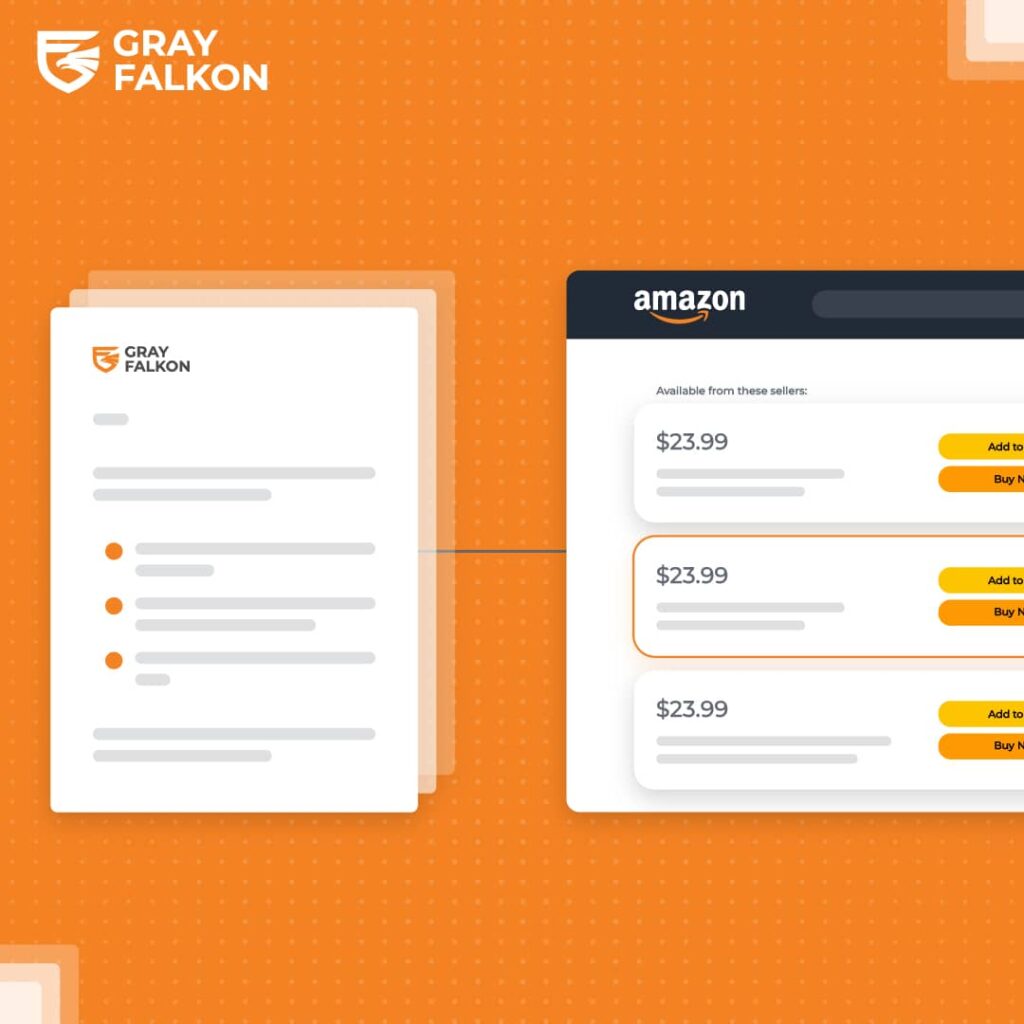
On Amazon, multiple sellers can list under the same ASIN. When a brand runs advertising campaigns ahead of Prime Day or a major cultural event like the World Cup, those campaigns drive traffic to the product detail page. Any seller listed on that page competes for the resulting sale. An unauthorized seller who has attached to a brand’s top-performing ASIN can capture conversions the brand paid to generate without contributing anything to the advertising investment that created them.
They Source Through Gray Market Channels
Beyond retail arbitrage, unauthorized sellers source inventory through gray market channels like distribution diversion, liquidation, holiday returns, and international distributors selling outside their territory. This inventory often reaches Amazon at a lower cost basis than authorized sellers carry, allowing unauthorized sellers to undercut pricing and win the Featured Offer (formerly Buy Box) during periods of high competition.
They Exploit the Window While It Lasts
The event window is time-limited. Unauthorized sellers know this and concentrate their activity accordingly. The goal is to move inventory as fast as possible during the period of highest consumer intent, before brands identify the problem, escalate to the marketplace, and secure removal. By the time a manually managed enforcement process completes, the event may be over.
What Happens When Ad Spend Meets a Listing With Unauthorized Sellers?
The fundamental problem with advertising into a listing that has unauthorized sellers is a math problem. The brand pays for the traffic. The unauthorized seller captures the sale. The brand gets none of the revenue but all of the downstream consequences.
Here is how that plays out in practice:
- Wasted advertising investment: Every click your campaign drives to a product page where an unauthorized seller holds the Featured Offer is a click that generated revenue for someone outside your distribution network. At the CPCs typical of Prime Day week, when advertising costs increase significantly, that waste compounds quickly.
- Lost revenue to unauthorized channels: The sale that should have gone to your brand or an authorized partner instead flows to a seller who sourced inventory outside your approved channels, paid nothing toward your marketing investment, and has no accountability to your brand standards.
- Customer experience damage: Unauthorized sellers frequently offer gray market inventory that may be improperly stored, near expiration, or handled through channels that degrade product quality. The customer who receives that product associates the experience with your brand, not the unauthorized seller. The resulting negative review appears on your listing and affects future conversions.
- Pricing erosion that outlasts the event: When unauthorized sellers undercut pricing during a high-traffic event, it resets consumer price expectations. Shoppers who bought at a discounted gray market price expect future purchases at the same level. Authorized sellers, who cannot compete at those margins, lose confidence in the brand’s ability to maintain pricing discipline.
The event does not create this problem. It reveals and amplifies it. Listings that have unauthorized seller activity before a major event will have more of it during the event, because the conditions that make unauthorized selling profitable are strongest when traffic and ad spend are highest.
Why the Summer of 2026 Creates a Compressed, High-Stakes Window
The 2026 FIFA World Cup is the largest sporting event in the world, and for the first time it is being co-hosted by the United States, Canada, and Mexico. The tournament features 48 teams, 104 matches across 16 host cities, and expected viewership of 6 billion people, roughly 73% of the global population. For brands in electronics, food and beverage, apparel and footwear, home goods, and adjacent categories, the demand surge during a North American World Cup is substantial.
The categories most directly affected include:
- Food & beverage, where global sporting events drive significant increases in demand for snacks, protein bars, coffee, hydration products, candy, grilling products, and watch-party staples as consumers gather around matches throughout the tournament window
- Apparel and licensed merchandise, where demand for team jerseys, fan gear, and branded products spikes sharply during the tournament window
- Sporting goods, where brands selling products adjacent to the sport see elevated search and purchase intent throughout the six-week tournament
- Home goods and watch-party products, including drinkware, seating, audio equipment, and outdoor entertainment items that serve the viewing occasion
- Electronics, where the World Cup drives television, streaming device, and accessory purchases as fans upgrade home viewing setups
With Prime Day now expected in late June, these two demand events overlap almost entirely. Brands that increase advertising investment for Prime Day are simultaneously advertising into the highest-demand period of the World Cup. The result is likely a compressed window where ad spend is at its highest, consumer traffic is at its highest, and unauthorized seller activity is at its highest, all at the same time.
This is not a window where brands can afford to discover their listing problems reactively. By the time a violation is identified and escalated during an active event, the traffic it diverted may already be gone.
Why Is It Too Late to Clean Up Listings During a Major Event?
Marketplace enforcement takes time. This is one of the most important and most frequently underestimated realities of brand protection on Amazon. When an unauthorized seller is identified and a marketplace-compliant report is submitted, the process of review, escalation, and removal does not happen instantly. During a high-traffic event, when Amazon’s systems are handling exceptional volumes, the practical timeline can stretch further.
By the time removal is secured, the event may be winding down. The traffic the unauthorized seller captured during the peak window is already gone, along with the revenue and the customer experience it should have delivered.
There is also a compounding effect. Unauthorized sellers who are not addressed before a major event tend to return. Each event provides a new profitable window, and sellers who were not removed, or who were removed late in the event window, have strong incentive to reattach to the same ASINs for the next high-traffic moment. Brands that treat unauthorized seller engagement as a reactive process find themselves in a cycle of perpetual clean-up rather than proactive control.
The practical implication is that pre-event engagement has to start well before the event. Not days before. Weeks before. The goal is to have unauthorized sellers already removed before the first advertising dollar is spent in the event window.
How Gray Falkon Helps Brands Protect Their Ad Spend Before Major Events
Preparing for a high-traffic event is not a one-time audit. It requires continuous monitoring in the weeks leading up to the window, fast seller engagement, and the ability to submit marketplace-compliant reports at scale before the event begins. Gray Falkon is built for exactly this kind of pre-event preparation.
AI-Powered Monitoring Across Marketplaces
Gray Falkon’s AI-powered solution continuously monitors Amazon, Walmart, TikTok Shop, and other major marketplaces, giving brands real-time visibility into who is selling their products and how. In the weeks before a major event, our monitoring focuses on:
- Unauthorized sellers attaching to your ASINs
- Listings tied to gray market sourcing, pricing instability, or abnormal seller behavior
- Patterns that suggest improper handling, returns, or diversion
- Changes in seller composition that impact listing consistency
This always-on monitoring means brands are not starting from zero when event preparation ramps up. The data is already being collected, and the earliest warning signals are visible weeks before the event begins.
Automated, Marketplace-Compliant Engagement
When unauthorized sellers are identified, Gray Falkon’s Full Deployment solution automates engagement with Amazon by generating policy-aligned reports at scale. For pre-event preparation, this means:
- Formal reports submitted early enough to complete the review process before the event window opens
- Consistent documentation that meets Amazon’s standards
- Reduced manual workload for internal teams that are already stretched across event planning, advertising strategy, and inventory preparation
Removing unauthorized sellers before a major event rather than during it is the difference between protecting your ad spend and subsidizing someone else’s.
Falkon Connect: AI-Powered Seller Engagement
Direct seller engagement resolves a meaningful portion of unauthorized activity faster than formal marketplace escalations. Falkon Connect is Gray Falkon’s AI-powered seller engagement engine that communicates with unauthorized sellers at scale, gathering sourcing information and encouraging voluntary compliance before the event window opens. Falkon Connect runs continuously and helps brands:
- Resolve unauthorized activity through direct engagement before formal escalation is required
- Identify how products are entering unauthorized channels, so the supply-side problem can be addressed, not just the listing-level symptom
- Reduce the backlog of marketplace reports during the event itself by handling resolvable cases in advance
Ask Gr[AI] Falkon: Policy Intelligence for Fast-Moving Situations
During the compressed pre-event window, knowing which policy grounds support which enforcement actions is critical. Ask Gr[AI] Falkon provides real-time guidance on Amazon’s marketplace policies so brands can act quickly and correctly. Brands can understand:
- Which policy violations apply to the unauthorized seller activity identified ahead of the event
- What documentation is required to support effective marketplace engagement
Marketplace Brand Protection Portal
Full Deployment clients gain access to Gray Falkon’s Marketplace Brand Protection Portal, a centralized dashboard suite that makes pre-event preparation visible and strategic. Key dashboards include:
- Overview Dashboard: A real-time snapshot of brand protection activity and impact, including seller removal progress in the weeks leading up to a major event
- Products Dashboard: Identification of which ASINs currently have unauthorized seller activity, with prioritization focused on your highest-traffic and most-advertised products
- Sellers Dashboard: Tracking of repeat offenders and behavioral patterns, including sellers who have appeared during previous high-traffic events and are likely to return
This visibility turns pre-event preparation from a reactive scramble into a structured, data-driven process.
The Event Doesn’t Create the Problem. It Reveals It.
Unauthorized sellers are not waiting for Prime Day or the World Cup to start causing problems. They are already on listings, or preparing to attach to them, in the weeks before the event opens. What changes during the event is not their presence. It is the scale of the damage they can do and the cost of the advertising that funds their activity.
Brands that go into the summer of 2026 with unauthorized sellers already addressed are positioned to benefit from the traffic and ad spend they invest. Brands that go in with unresolved listing problems are positioned to amplify them. The window to act is before the event. That window is open now.
Schedule a demo today and see how Gray Falkon helps brands protect their listings, their ad spend, and their customer experience before, during, and after the biggest sales events of the year.